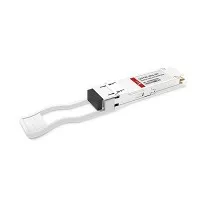
The transmission and reception wavelengths of the optical modules at both ends of the fiber optic jumper must be consistent, which means that the two ends of the fiber optic must be optical modules with the same wavelength. A simple way to distinguish is to have the same color of the optical modules. In general, short wave optical modules use multimode fiber (orange fiber), while long wave optical modules use single-mode fiber (yellow fiber) to ensure the accuracy of data transmission.
Do not excessively bend or wrap optical fibers during use, as this will increase the attenuation of light during transmission.
After using the fiber optic jumper, it is necessary to use a protective sleeve to protect the fiber optic joint, as dust and oil can damage the coupling of the fiber optic.
If the fiber optic connector is dirty, it can be cleaned with a cotton swab dipped in alcohol, otherwise it will affect the communication quality.
1. Before use, the ceramic plug and end face of the fiber optic jumper must be wiped clean with alcohol and degreased cotton.
2. The minimum bending radius of the optical fiber during use is not less than 150mm.
3. Protect the plug and plug end face to prevent damage and contamination, and wear a dust cap in a timely manner after disassembly.
4. When transmitting laser signals, do not look directly at the fiber end face.
5. In case of damage caused by human factors or other uncontrollable factors, the damaged fiber optic jumper should be replaced in a timely manner.
6. Before installation, carefully read the instruction manual and carry out installation and debugging under the guidance of the manufacturer or distributor's engineer.
7. In case of any abnormal situation in the fiber optic network or system, the troubleshooting method can be used to test one by one. When testing or troubleshooting jumper faults, a on/off test can be performed first. Typically, a visible laser pen can be used to illuminate the entire fiber optic link for judgment. Or further use a precision fiber optic insertion loss tester to test its various indicators. If the indicators are within the qualified range, the jumper indication is normal, otherwise it is unqualified.