


Direct Attach Cables
Company Profile
Since 2015, D-NET has established itself as a leading Chinese manufacturer and supplier of optical communication products, specializing in the R&D, production, and sales of fiber-optic equipment at our state-of-the-art factory. Our core competency stems from a professional research and development team that relentlessly pursues advancements in optical communication technology. Guided by market demands, this highly skilled group consistently introduces competitive, high-performance products across ten or more series, encompassing optical modules, passive devices, CWDM/DWDM systems, and beyond. As a one-stop supplier catering to diverse industries, we provide comprehensive, customizable solutions and exceptional services to our valued customers. Through our innovative and reliable offerings, we foster global business growth, solidifying our position as a trusted supplier in China and beyond.
Why choose us?
High quality
Our products are manufactured or executed to very high standards, using the finest materials and manufacturing processes.
Long warranty
The long-term warranty is designed to give consumers more confidence that their purchases and services will continue to be valid.
Professional team
Our professional team collaborate and communicate effectively with one another, and are committed to delivering high-quality results. They are capable of handling complex challenges and projects that require their specialized expertise and experience.
Rich experience
Dedicated to strict quality control and attentive customer service, our experienced staff is always available to discuss your requirements and ensure complete customer satisfaction.


What is Direct Attach Cables
Direct Attach Cables (DACs) are copper cables used for data transmission between devices such as networking switches, routers, and servers. They are designed to provide a direct electrical connection without the need for additional electronics such as fiber optic converters (transceivers) or SFP (Small Form-factor Pluggable) modules. DACs come pre-terminated with connectors that plug directly into the appropriate port on networking hardware.
These cables are commonly used in data centers and server rooms for high-speed Ethernet connectivity, offering cost-effectiveness and efficiency due to their simple design and installation. They are available in various lengths and support multiple speeds, including 1Gbps, 10Gbps, 25Gbps, 40Gbps, and even 100Gbps, depending on the application's bandwidth needs.
Benefits of Direct Attach Cables
Cost efficiency
One of the primary benefits of DACs is their lower cost when compared to equivalent fiber optic solutions that require transceivers or SFPs. Since DACs are pre-terminated and do not require additional modules, they can save on both the initial purchase price and the ongoing costs associated with managing inventory of these components.
Simplicity of installation
DACs are designed to be straightforward to install. They come ready for immediate use with no need for on-site termination or configuration, reducing the time and expertise required for setup.
Reduced latency
Due to the direct electrical connection provided by DACs, they tend to have lower latency compared to optical connections, which must convert electrical signals to light and back again. This makes DACs particularly suitable for high-performance computing environments where latency is critical.
Efficient use of space
DACs are generally more compact than their fiber optic counterparts, which means they take up less space within the hardware ports and in cable management infrastructure, helping to keep data centers neat and organized.
Compatibility
DACs are compatible with a wide range of networking hardware, making them versatile for use in different setups. Their standardized connectors ensure they will fit into the majority of switch and server ports.
Energy efficiency
The absence of active optical components in DACs means that they consume less power than optical transceivers, contributing to lower operational costs and a reduced carbon footprint for data centers.
Scalability
As the need for connectivity grows, DACs can easily be added or replaced without significant changes to infrastructure. This scalability is crucial as data centers expand and upgrade their equipment.
Reliability
Copper-based DACs are less susceptible to interference from external sources compared to older types of cabling. Modern DACs also employ shielding and other techniques to maintain signal integrity, ensuring reliability over their operational life.
Lower heat generation
While heat dissipation is always a concern in data centers, DACs tend to generate less heat than active optical cables, which can translate to lower cooling requirements and further energy savings.
Types of Direct Attach Cables
Twinax cables (copper)
Twinax DACs are among the most widely used due to their ability to handle higher data rates over relatively short distances. They consist of two conductors twisted together, hence the name "twinax." These cables are often used for 10Gbps, 25Gbps, 40Gbps, and 50Gbps applications. Twinax cables are available in passive and active forms, with active twinax featuring built-in signal conditioning to extend reach and compensate for signal degradation over longer distances.
Active optical cables (AOCs)
Although not strictly DACs, AOCs are similar in form and function but use optical fibers instead of copper for signal transmission. They combine the benefits of DACs—like low latency and direct connectivity—with the capability to transmit data over longer distances without the need for additional optics. AOCs are available for various data rates and are often used when DACs cannot meet the reach requirements.
QSFP+ to QSFP+ DACs
Quad Small Form-Factor Pluggable Plus (QSFP+) to QSFP+ DACs are used for 40Gbps connectivity. They are commonly deployed in data centers for high-density Ethernet and Fiber Channel links.
SFP+ to SFP+ DACs
Small Form-Factor Pluggable Plus (SFP+) to SFP+ DACs are employed for 10Gbps connections. These cables are suitable for applications requiring 10GBASE-SR or 10GBASE-LR connectivity.
Direct attach copper cables with optical transceiver modules
Some DACs are designed to have detachable transceiver modules, allowing the user to replace the copper portion with an optical module if needed. This hybrid approach provides flexibility in deployment and future upgrades.
Breakout cables
These DACs have multiple channels that breakout into separate lanes for parallel transmission. For example, a 12-fiber breakout DAC would typically have four channels, with three fibers per channel for a total of 12 fibers, suitable for 40Gbps or 50Gbps applications using parallel optics.

Direct Attach Cables (DACs) are primarily made from high-quality copper materials due to its excellent electrical conductivity properties, which are essential for maintaining high-speed data transfer. The choice of copper ensures that the cables can efficiently handle the high frequencies required for modern data communications without significant signal attenuation.
The construction of DACs typically involves stranded or solid copper conductors that are twisted together in pairs or multiples, depending on the cable's intended use. For instance, twinaxial cables, which are often used for 10Gbps to 50Gbps applications, consist of two conductors twisted together with a braided or foil shield to minimize crosstalk and electromagnetic interference.
The choice of materials in DACs is critical to ensure that they meet the necessary performance standards while also adhering to safety regulations and environmental considerations.
Application of Direct Attach Cables
Data center interconnects
In data centers, DACs are extensively used for connecting switches, routers, servers, and storage systems. They enable high-speed data transfers within the data center infrastructure, providing a reliable and efficient means of linking equipment at various speeds, including 10Gbps, 25Gbps, 40Gbps, and 100Gbps.
Server to switch connections
DACs are ideal for direct server-to-switch connections, facilitating fast, low-latency communication between compute resources and the network. This setup is crucial for applications requiring high throughput and real-time processing, such as financial trading systems, cloud computing services, and high-performance computing clusters.
Top-of-rack (ToR) and end-of-row (EoR) switching
DACs are frequently utilized in ToR and EoR switching architectures to connect servers to the distribution layers within the data center. Their direct attachment nature reduces complexity and cabling needs compared to traditional transceiver plus fiber optic cable configurations.
High-density connectivity
Due to their compact form factor and pluggability, DACs are well-suited for high-density environments where space is at a premium. They enable dense packing of equipment while maintaining the high bandwidth requirements of modern networking applications.
Active optical cables
While not strictly DACs, Active Optical Cables (AOCs) serve a similar purpose but utilize optical technology to extend the reach of connections beyond what is possible with copper cables. AOCs are particularly useful when DACs cannot meet the distance requirements, offering a compromise between DACs and traditional optical transceivers paired with fiber optic cables.
Hyperscale computing
In hyperscale computing environments, where massive amounts of data need to be processed and stored, DACs play a vital role in maintaining the efficiency and scalability of the infrastructure. They support the large number of connections required between compute nodes, storage arrays, and networking devices.
Cloud service providers
Cloud service providers rely on DACs to create robust and scalable cloud infrastructures. These cables facilitate the rapid deployment of resources and the seamless integration of different components within the cloud environment, ensuring optimal performance and reliability.
Network test and measurement
DACs are also used in network testing and measurement scenarios. By simulating live network conditions, engineers can test equipment performance, validate network designs, and ensure that the infrastructure meets the required specifications before deployment.
Migration paths
As organizations upgrade their networking equipment to support higher speeds, DACs provide a straightforward migration path from older technologies to newer ones. They can be used temporarily until the full transition to optical solutions is completed.
Cost-effective solutions
DACs are generally more affordable than their optical counterparts, making them an attractive option for environments where the budget is a constraint. They offer a balance between cost and performance for shorter distances and lower power consumption compared to active optical solutions.
Design and planning
The first step in producing DACs is designing the cable to meet specific performance criteria, such as data rate, length, and connector type. Engineers use specialized software tools to create detailed cable designs, considering factors like signal integrity, impedance control, and thermal management.
Material selection
Once the design is finalized, the next step is selecting high-quality materials for the cable construction. This includes choosing appropriate conductor materials (typically copper), dielectric insulators, shielding materials, and jacketing options. Material selection is crucial as it directly impacts the cable's performance and reliability.
Wire drawing and stranding
High-purity copper rod is drawn into fine wires, which are then stranded into twisted pairs or multi-conductor bundles. Stranding improves the cable's flexibility and handling characteristics without compromising electrical performance.
Shielding application
To protect the signal from external interference, various shielding techniques are applied. Common methods include applying foil shields, wrapping with braided shields, or combining foil and braid shields. Shielding materials must be carefully chosen to ensure effective electromagnetic interference (EMI) suppression without adding excessive bulk to the cable.
Dielectric filling
Between the conductors and the shielding, a dielectric material is filled to maintain consistent impedance and protect against crosstalk. The dielectric material also helps to balance the cable's flexibility and mechanical strength.
Jacketing and sizing
The cable assembly is then jacketed with a protective outer sheath made from materials like PVC or LSZH. The jacketing provides abrasion resistance, environmental protection, and aesthetic appeal. During this stage, the cable may also be cut to specific lengths, if required.
Connector attachment
Precision-machined connectors are attached to the end of the cable using processes such as soldering, crimping, or compression. Connectorization is a critical step, as it determines the cable's mating ability and overall performance.
Polishing and testing
After connector attachment, the ends of the cable are polished to ensure smooth, contoured surfaces that mate properly with corresponding connectors. The cable is then subjected to rigorous testing to verify its compliance with design specifications. Tests may include transmission line measurements, insertion loss, return loss, crosstalk, and temperature cycling.
Quality assurance
Throughout the production process, quality checks are performed at multiple points to ensure that the cables meet stringent quality standards. Any defective cables are removed from the production line to prevent defects from reaching the customer.
Packaging and shipping
Finally, the tested and approved DACs are packaged appropriately for shipping, taking care to protect the cables from physical damage during transit.
Components of Direct Attach Cables


Conductors
The core of any cable is its conductors, which carry the electrical signal. In DACs, these are typically made from high-purity copper due to its excellent conductivity and low resistance properties. The conductors may be arranged in twisted pairs to minimize crosstalk or in a parallel configuration for higher data transfer rates.
Dielectrics
Positioned between the conductors and any shields, dielectrics serve to maintain consistent impedance and protect against signal degradation. Common dielectric materials include foams and solid insulators made from polymers such as polyethylene or fluorinated ethylenepropylene (FEP).
Shielding
To reduce electromagnetic interference (EMI), DACs often incorporate one or more types of shielding. Foil shields provide broadside shielding and can be used alone or in combination with braided shields, which offer coverage from both broadside and end-launch noise. In some cases, drain wires are included to ground the shield and further mitigate EMI.
Jacket
The outermost layer of the cable is the jacket, which protects the internal components from physical damage, chemical exposure, and environmental factors. Materials for the jacket often include PVC (Polyvinyl Chloride) orLSZH (Low Smoke Zero Halogen) compounds, chosen for their flame resistance and toxicity profiles in case of fire.
Connectors
The quality and design of the connectors significantly impact the cable's performance. They must be precisely machined to fit snugly into the corresponding port and have low insertion loss. Common connector types used with DACs include SFP+, QSFP+, MiniSAS, and others tailored to match specific port types and standards.
Transition boards (for active optical cables)
Some DACs, specifically Active Optical Cables (AOCs), include small circuit boards or transition points that house optical transceivers. These convert the electrical signal to light for transmission over longer distances via optical fibers and back to an electrical signal on the other end.
Ferrules and polished surfaces
Particularly in the case of fiber optic connectors within AOCs, precision-ground ferrules ensure that the light passes through with minimal back reflection or loss. The polished surfaces of these ferrules are critical for low insertion loss and optimal signal clarity.
Strength members
To enhance durability and prevent cable elongation under tension, DACs may incorporate strength members such as aramid yarns or glass fibers. These are woven into the cable structure without impacting the signal path.
Thermal management features
High-performance DACs may include features to manage heat buildup, which can affect cable performance and longevity. For example, heat sinks or vented areas within the connectors can dissipate heat effectively.
How to Maintain Direct Attach Cables
Inspection
Regular visual inspections are the first line of defense in maintaining DACs. Look for signs of wear, cuts, bends beyond the allowable limits, or other physical damage. Check the connectors for peeling, cracks, or corrosion. Any damage should be addressed promptly to prevent further degradation.
Cleaning
Dust, dirt, and debris can accumulate on the exterior of the cables and within the connectors, leading to poor connectivity and increased risk of contamination. Use a soft cloth or designated cleaning wipes to gently wipe down the cable and connectors. For more stubborn grime, you may need to use isopropyl alcohol or another mild solvent, but always check the manufacturer’s recommendations for compatible cleaning agents.
Connector care
Connectors are the most vulnerable parts of DACs, so they require special attention. Avoid using excessive force when plugging or unplugging connectors to prevent damage. Ensure that the connectors are free of debris before connecting them to prevent poor contact. For fiber optic connectors within Active Optical Cables (AOCs), use proper jigs and cleaning films to maintain the precision of the ferrule.
Cable management
Proper cable management goes a long way toward preserving the integrity of DACs. Use cable ties, organizers, or trays to keep cables away from sharp edges, heavy machinery, and areas with high foot traffic. Avoid creating tight bends or loops that exceed the cable’s minimum bend radius.
Avoidance of environmental hazards
Keep DACs away from extreme temperatures, direct sunlight, chemicals, and areas prone to flooding or water damage. Some environments might require specialized cables rated for higher or lower temperatures, oil resistance, or UV resistance.
Handling
When moving DACs or working around them, take care not to step on the cables, yank them suddenly, or apply excessive tension. Improper handling can cause internal stress on the conductors or break the delicate shielding and insulation.
Replacement schedule
Monitor the performance of your DACs over time and establish a schedule for replacing them. Even if they appear undamaged, aging cables may experience signal degradation or increased resistance.
Documentation
Maintain records of the installation date, location, and any maintenance performed on each DAC. This documentation will help identify patterns of failure and inform future purchasing decisions.
Training
Ensure that anyone handling DACs understands proper maintenance procedures. Providing training can prevent accidental damage and extend the life of your cables.
How to Choose Direct Attach Cables
Connector type
The first decision to make is about the type of connectors required for your setup. Common connector forms include SFP, SFP+, QSFP, QSFP+, and others. Each form factor is designed for different speeds and applications, so choose the one that fits your hardware and network standard.
Cable length
Determine the distance between the connected devices. DACs are generally limited to short to medium lengths (up to 10 meters for copper and shorter distances for active optical cables). Exceeding the recommended length can lead to signal degradation.
Bandwidth/speed requirements
Consider the maximum data rate you need to support. Copper DACs are available for speeds up to 28 Gbps, while active optical cables can support higher speeds up to several tens of terabits per second. Select a cable that matches or exceeds your network speed requirements.
Cable construction
Choose between passive DACs, which are simple copper cables with attached connectors, and active optical cables (AOCs), which contain electronics to convert electrical signals to optical and vice versa, enabling longer reaches. Passive DACs are generally less expensive and suffice for short distances, while AOCs are necessary for longer links.
Cable shields and plating
For environments with high electromagnetic interference (EMI), shielded DACs with foil or braided shields may be necessary to maintain signal integrity. Additionally, consider the plating of the connectors; options like gold plating can resist corrosion but may add to the cost.
Environmental conditions
Consider where the DAC will be installed. If the area is prone to temperature extremes, select a cable rated for those conditions. Similarly, if the cable will be exposed to UV light or chemicals, choose a cable jacket that is resistant to those elements.
Compliance standards
Ensure that the DAC complies with industry standards such as IEEE 802.3, which defines Ethernet physical layers. This ensures compatibility with your existing infrastructure and future equipment.
Redundancy and fault tolerance
For critical systems requiring redundancy, consider using twin DACs that mirror each other to provide failover capabilities.
Cost
Compare the total cost of ownership, including the initial purchase price, maintenance, and potential downtime. While cheaper cables may seem attractive, the total cost could rise if they do not meet performance requirements or fail prematurely.
Supplier and warranty
Choose a reputable supplier who provides quality assurance and a warranty covering manufacturing defects. A good warranty can give you peace of mind and protection against unexpected expenses.
How Direct Attach Cables Work
Direct Attach Cables (DACs) are used to connect devices within data centers and computer networks, providing a cost-effective and high-performance solution for short-distance communications. They work by transmitting data signals between network devices such as switches, routers, and servers. Here's an in-depth look at how DACs function:
Construction: DACs consist of a high-quality copper or optical fiber core, surrounded by insulation and protective materials, terminated at both ends with pre-attached connectors. These connectors usually conform to industry standards such as SFP, SFP+, QSFP, or QSFP+, ensuring compatibility with corresponding ports on networking hardware.
Types: Two main types of DACs exist: passive direct attach copper cables (DACs) and active optical cables (AOCs). Passive DACs are simply shielded twisted-pair cables with integrated connectors and are suitable for short distances up to 10 meters. Active optical cables contain optical transceivers within their connectors, allowing them to transmit data over longer distances, sometimes exceeding 100 meters, with higher bandwidth capabilities.
Data transmission: In operation, an electronic device sends a signal through its port into the DAC. For passive DACs, the signal remains electrical and travels along the copper core to the receiving device. For active optical cables, the signal is converted from electrical to optical within the cable's transceiver at the sending end, transmitted along the fiber core, and then converted back to an electrical signal at the receiving end before being passed into the receiving device's port.
Bandwidth and distance: The bandwidth capacity of a DAC is determined by its design and intended use. Copper DACs typically support speeds ranging from 1 Gbps to 28 Gbps, while active optical cables can support multi-terabit speeds over longer distances. The maximum distance that a DAC can transmit data without significant signal loss depends on the cable's type (copper or optical), quality, and the presence of signal conditioning technologies in active optical cables.
Signal integrity: To maintain signal integrity, DACs often incorporate features such as shielding, twisted pairs, and low-loss materials to minimize noise and crosstalk, which can degrade the quality of the data signal. Active optical cables additionally use lasers and photodiodes to transmit and receive light, which inherently provides a cleaner signal over longer distances than copper cables.
Compatibility: DACs must match the form factor and signaling requirements of the devices they connect. For instance, an SFP+ DAC would connect to SFP+ ports on networking equipment, and the same applies to other form factors. Mismatches can result in incompatibility and failure to operate.
Installation and maintenance: DACs are relatively straightforward to install, requiring simple plug-and-play connection to compatible ports. Maintenance primarily involves regular inspection for physical damage and proper cleaning of the connectors to ensure optimal performance.
Direct Attach Cables offer a convenient and efficient method of interconnecting devices within high-speed networks, balancing cost-effectiveness with high bandwidth and reliability for short to medium-length connections. Their ease of use and integration into existing network architectures make them a staple in modern data centers.
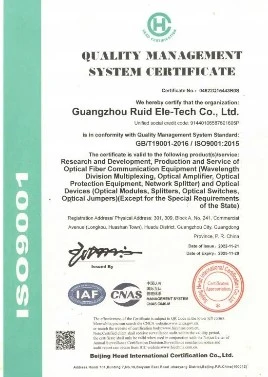
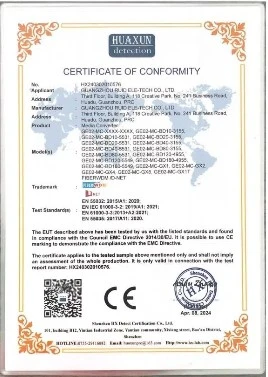
Certifications



FAQ
We're well-known as one of the leading direct attach cables manufacturers and suppliers in China. If you're going to buy high quality direct attach cables made in China, welcome to get quotation from our factory.
SFP-1G-CWDM-1270-80, QSFP-40G-ZR4, SFP-10G-CWDM-1470-80