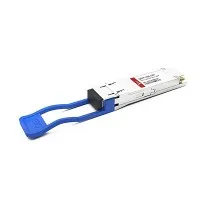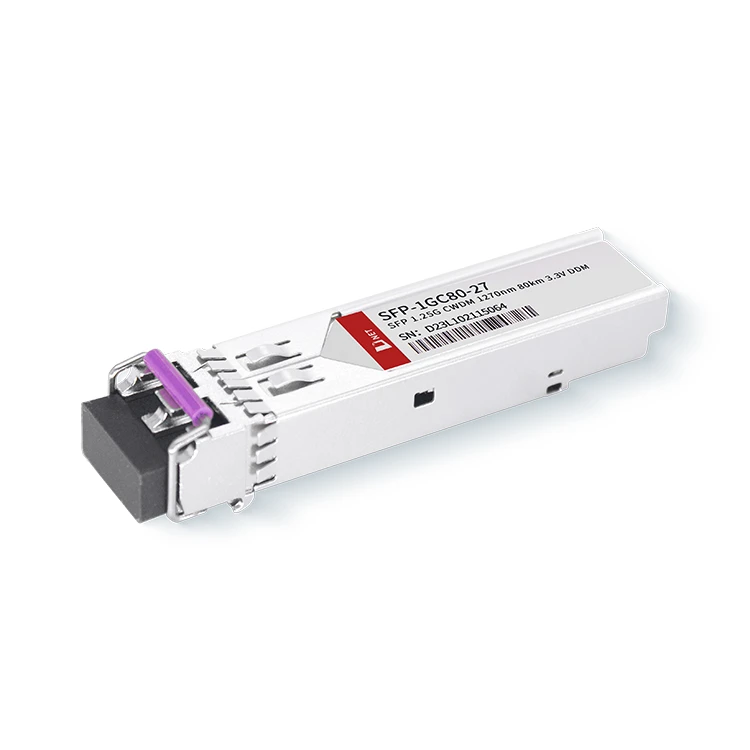
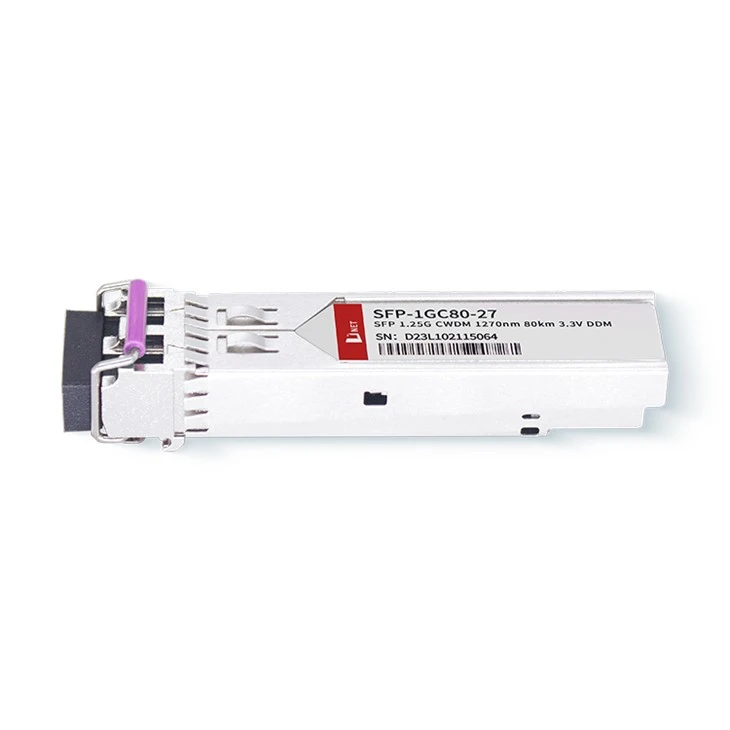
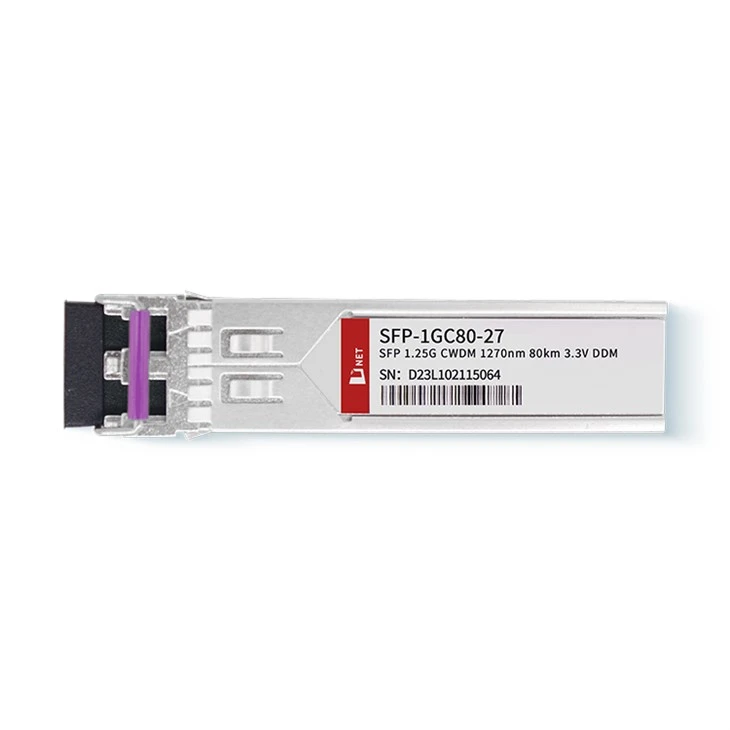
D-net`s Optical Transceiver Module Service
● Compatibility Assistance: D-NET offers compatibility services to ensure optical modules are compatible with equipment from leading manufacturers.
● Personalized Services: D-NET provides OEM customization options for its products. Upon request, customers can have colored logo labels tailored to their needs.
● Standard Delivery Period: 3 Days
● Extensive Shipping Solutions: D-NET collaborates with highly reputable courier companies such as SF, FedEx, DHL, UPS, and others to ensure reliable shipping services.
Features
● Supports bit rates up to 1.25Gbps
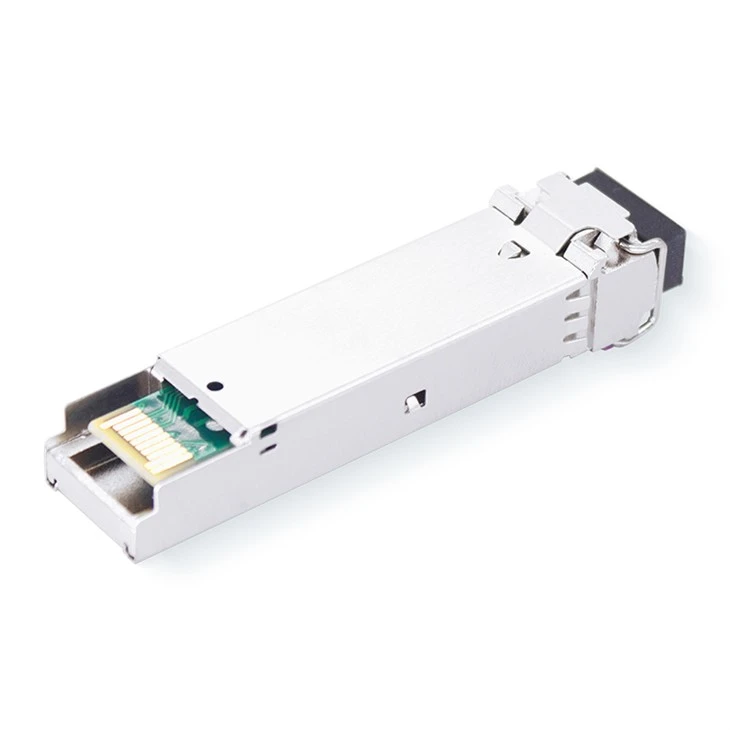
● Features a hot-pluggable SFP footprint
● Equipped with a CWDM DFB laser and PIN photo detector, capable of up to 80km transmission on SMF
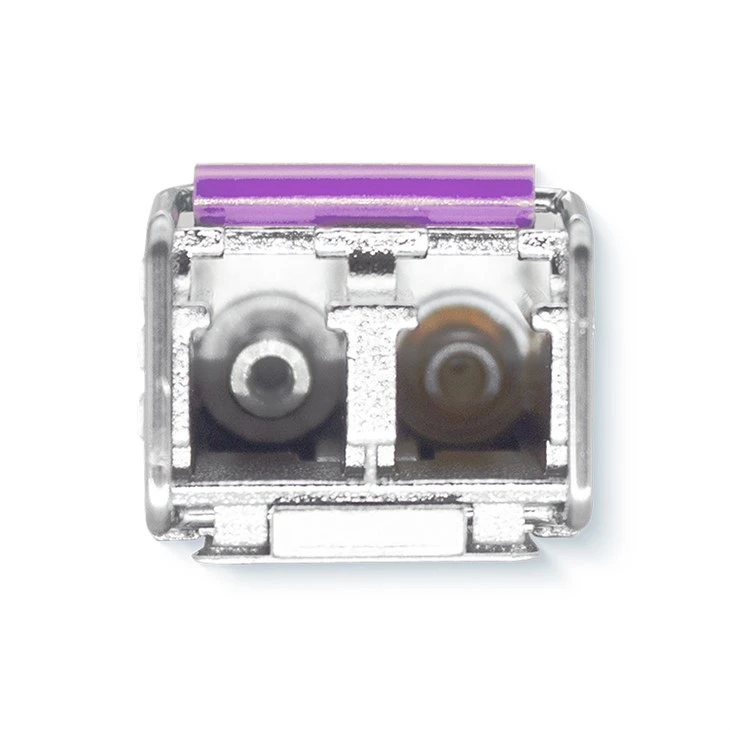
● Compliant with SFP MSA and SFF-8472 specifications, featuring a duplex LC receptacle
● RoHS compliant
● Powered by a single +3.3V power supply
● Incorporates Real-Time Digital Diagnostic Monitoring
● Operating case temperature range:
-Standard: 0 to +70°C
- Industrial: -40 to +85°C
Applications
● 1.25Gbps Optical systems
● Gigabit Ethernet
● 1.063Gbps Fiber Channel
● Other Optical links
Product Details
The transceivers are fully compliant with the SFP Multi-Source Agreement and the digital diagnostics functions specified in SFF-8472. They consist of three primary components: a CWDM DFB laser transmitter, a PIN photodiode integrated with a trans-impedance preamplifier (TIA), and an MCU control unit. All modules conform to Class I laser safety standards.
Hot Tags: SFP 1G 1000base CWDM 1270nm 80km, China SFP 1G 1000base CWDM 1270nm 80km manufacturers, suppliers, factory, SFP-1G-CWDM-1270-80, SFP-1G-CWDM-1270-40
Absolute Maximum Ratings
|
Parameter |
Symbol |
Min |
Max |
Unit |
|
Supply Voltage |
Vcc |
-0.5 |
4.5 |
V |
|
Storage Temperature |
Ts |
-40 |
+85 |
°C |
|
Operating Humidity |
- |
5 |
85 |
% |
Recommended Operating Conditions
|
Parameter |
Symbol |
Min |
Typical |
Max |
Unit |
|
|
Operating Case Temperature |
Standard |
Tc |
0 |
+70 |
°C |
|
|
Extended |
-20 |
+80 |
°C |
|||
|
Industrial |
-40 |
+85 |
°C |
|||
|
Power Supply Voltage |
Vcc |
3.135 |
3.30 |
3.465 |
V |
|
|
Power Supply Current |
Icc |
300 |
mA |
|||
|
Data Rate |
0.1 |
1.25 |
Gbps |
|||
Optical and Electrical Characteristics
|
Parameter |
Symbol |
Min |
Typical |
Max |
Unit |
Notes |
||
|
Transmitter |
||||||||
|
Centre Wavelength |
λc |
λc-6.5 |
λc |
λc+6.5 |
nm |
|||
|
Spectral Width(-20dB) |
Δλ |
1 |
nm |
|||||
|
Side-Mode Suppression Ratio |
SMSR |
30 |
- |
dB |
||||
|
Average Output Power |
Pout |
0 |
+4.0 |
dBm |
1 |
|||
|
Extinction Ratio |
ER |
9.0 |
dB |
|||||
|
Data Input Swing Differential |
VIN |
180 |
1200 |
mV |
2 |
|||
|
Input Differential Impedance |
ZIN |
90 |
100 |
110 |
Ω |
|||
|
TX Disable |
Disable |
2.0 |
Vcc |
V |
||||
|
Enable |
0 |
0.8 |
V |
|||||
|
TX Fault |
Fault |
2.0 |
Vcc |
V |
||||
|
Normal |
0 |
0.8 |
V |
|||||
|
Receiver |
||||||||
|
Centre Wavelength |
λc |
1270 |
1610 |
nm |
||||
|
Receiver Sensitivity |
-26 |
dBm |
3 |
|||||
|
Receiver Overload |
-1 |
dBm |
3 |
|||||
|
LOS De-Assert |
LOSD |
-27 |
dBm |
|||||
|
LOS Assert |
LOSA |
-38 |
dBm |
|||||
|
LOS Hysteresis |
0.5 |
4 |
dB |
|||||
|
Data Output Swing Differential |
Vout |
600 |
800 |
1000 |
mV |
4 |
||
|
LOS |
High |
2.0 |
Vcc |
V |
||||
|
Low |
0.8 |
V |
||||||
Notes
1. The optical power is launched into SMF.
2. PECL input, internally AC-coupled and terminated.
3. Measured with a PRBS 27-1 test pattern @1250Mbps, BER ≤1×10-12.
4. Internally AC-coupled.
Ordering Information
|
Part Number |
Description |
|
SFP-1GC80-27 |
1.25Gbps SFP CWDM Transceiver, Single Mode, 80km Reach |
FAQ
1. What does 1G SFP mean?
A: 1G SFP represents 1 Gigabit Small Form-factor Pluggable, which supports a data transmission speed of 1 Gigabit per second.
2. How to choose SFP transceiver?
1.Compatibility: Confirm that the SFP module is suitable for use with your networking hardware.
2.Data Rate: Ascertain the necessary data rate based on your specific network demands.
3.Fiber Type: Reflect on whether you will utilize single-mode or multi-mode fiber optic cables.
4.Distance: Establish the span between the transmitting and receiving points within your network.
5.Connector Type: Verify the type of connector needed for your network devices.