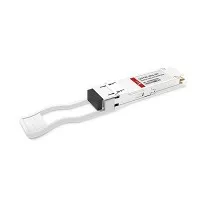
Compared to original optical modules, the price of compatible optical modules is much lower. So what are the precautions when choosing compatible optical modules?
1. Compatibility: Equipment manufacturers of optical modules will encrypt their devices to varying degrees, which is what we call compatibility. Our own branded modules can only be used on our own devices, while other branded optical modules cannot be matched with our own devices. Compatibility manufacturers need to perform different compatibility adaptations on optical modules, and it is particularly important to be able to perfectly solve the adaptation problem.
2. Service life: The service life of a normal optical module is 5 years. Based on the usage of the optical module over time, if problems occur after about 1 or 2 years, it can be roughly judged that the quality of the module itself is a problem or that it is a second-hand module.
3. Optical module performance: The performance indicators that affect the optical module mainly include average emission power, extinction ratio, center wavelength of optical signal, overload optical power, receiving sensitivity, and receiving optical power. By detecting whether these values are within the normal range, the performance of the optical module can be determined. It can be viewed through DDM information. In addition, it can also be judged by whether the signal is stable, whether there is delay, and whether there is packet loss during the transmission process of the optical module.
4. Is it a second-hand module: When purchasing a compatible optical module, be careful not to blindly pursue low prices, as second-hand modules often encounter various problems shortly after use.
The quality of optical modules can directly affect the transmission efficiency of fiber optic links. So far, more and more suppliers have limited options for compatible optical modules, whose quality can be comparable to original optical modules, but the price is very competitive, which can help customers save a lot of costs. Build a secure and stable network environment, reduce costs, improve efficiency, and prioritize compatible optical modules.